From 27 March to 26 April 2026
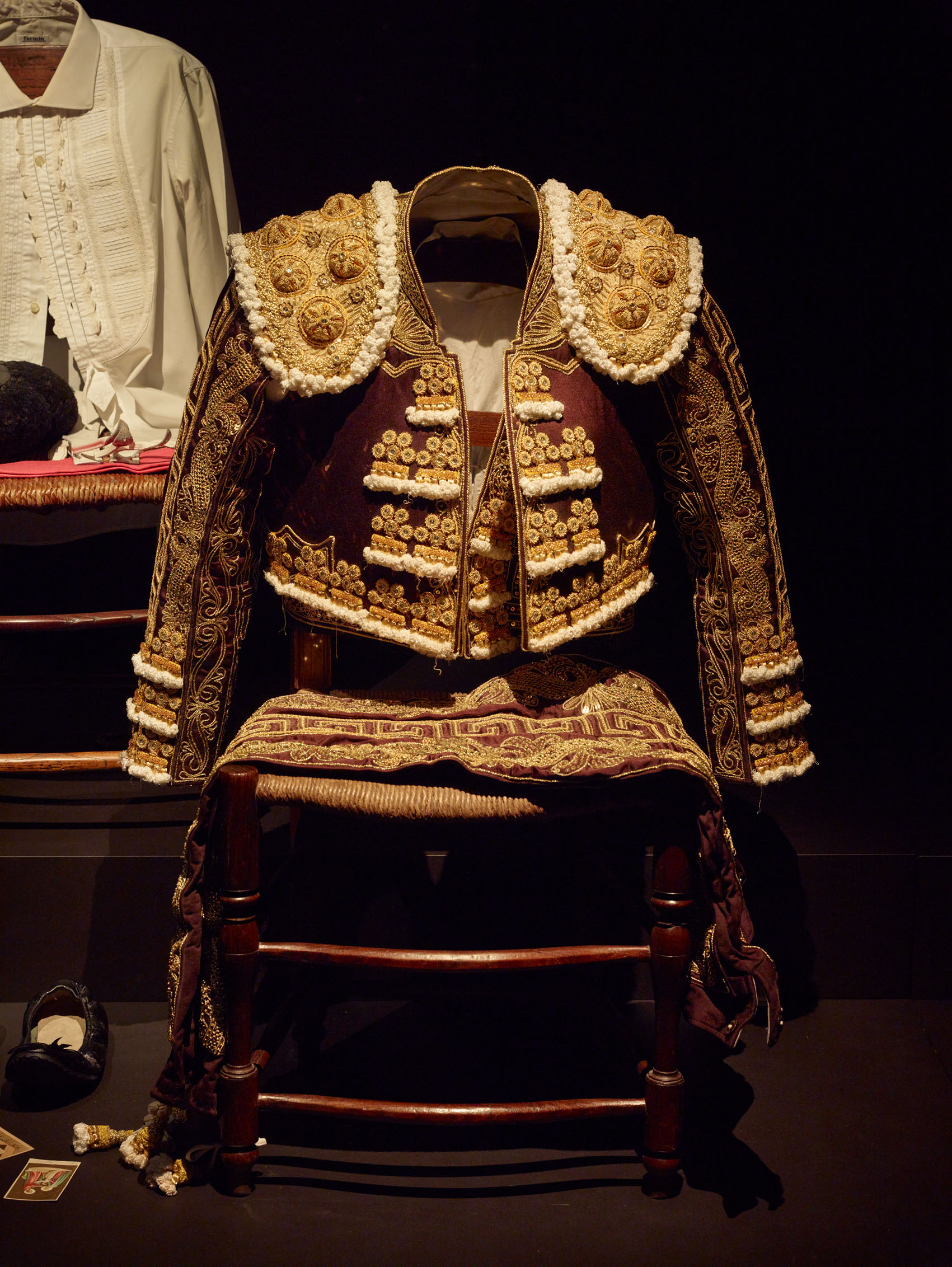
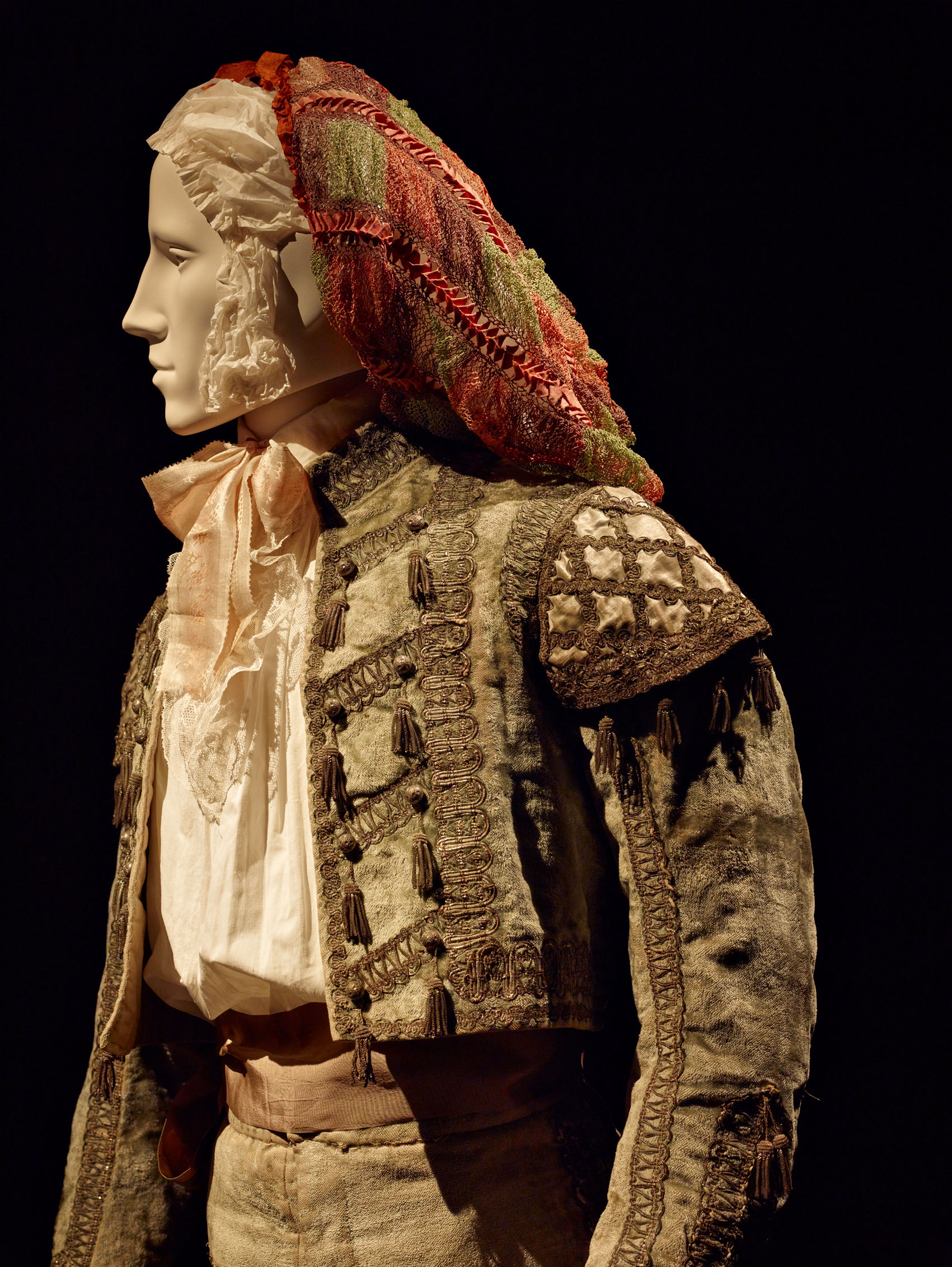
Since the 18th century, the distinctive costume traditionally associated with the figure of the bullfighter has ignited passions. It catches the eye and awakens the interest of those who encounter it. Inspired by the clothing of the Bourbon court, it attests to a strong identity, enamoured with diverse influences. Between customs and aristocratic practices, costumes evolved thanks to the influence of the aesthetic of bullfighters from the common people.
It is in the 19th century and particularly through opera Carmen It is from Georges Bizet, with his character Escamillo, that the figure of the bullfighter transforms into the toreador.
On the sand, as on the stage, light emanates from every movement, giving the costume's patterns a breath of life.
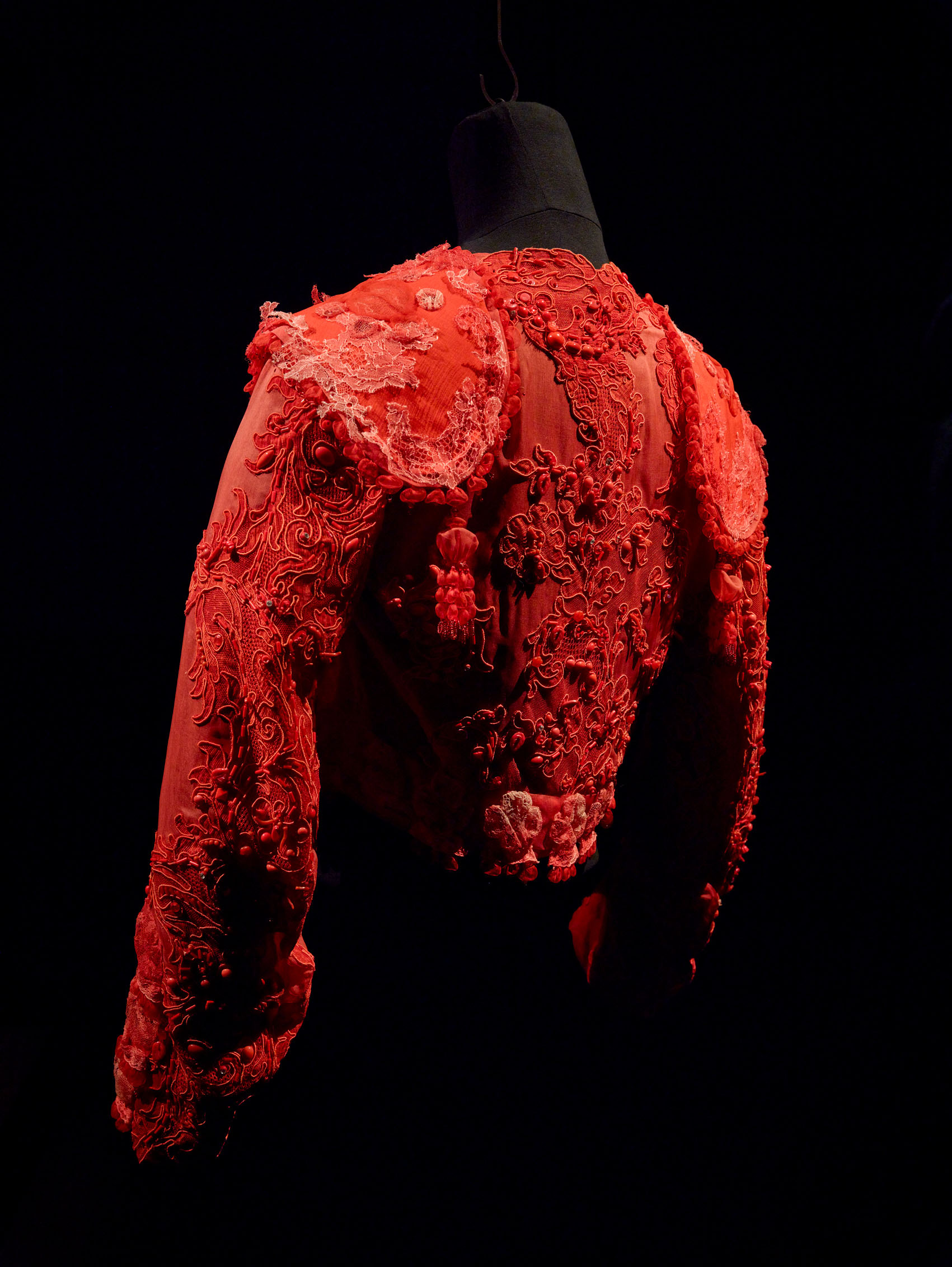
Discover in this «dossier exhibition» unique pieces highly appreciated by the Spanish painter Francisco de Goya, from the private collection of Alberto Perales in Madrid, as well as from the archives of the fashion house Christian Lacroix dating from 1987 and 1989. Like Picasso or Cocteau, the Arlesian fashion designer harbours a fascination for these costumes with their brilliant colours, entirely embroidered with gold, which he glimpses in the amphitheatre twice a year, and which would later become a recurring and distinctive element of his style.
Bullfighters and matadors widely inspire other creators, such as Yves Saint-Laurent, who, in 1977 and 1979, succumbed to the charms of this proud character and interpreted the 'traje de luces' (suit of lights) in his own way. He imbued the modern woman with the power attributed to this noble and popular figure, symbolising a sophisticated and sensual androgynous archetype while challenging the gender norms dictated by Western society.
Painters, filmmakers, photographers, theatre directors and, more recently, Instagrammers, fix their gaze, free from prejudice, on these meticulously decorated male bodies, clad in silk stockings and metallic embroidery enhanced with cut stones and sequins, the last vestiges of a fantasised Baroque 18th century.
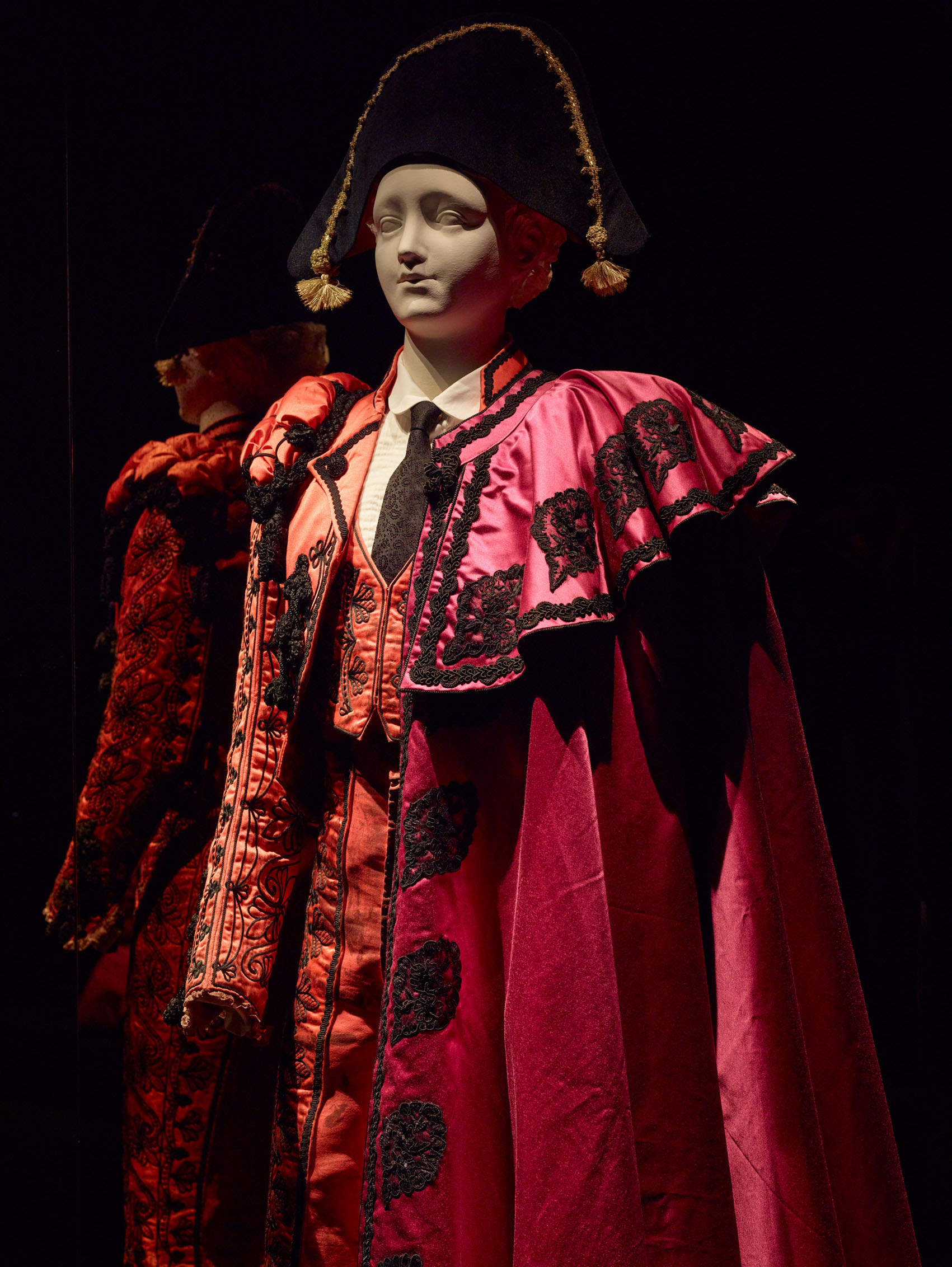
© François Deladerrière